

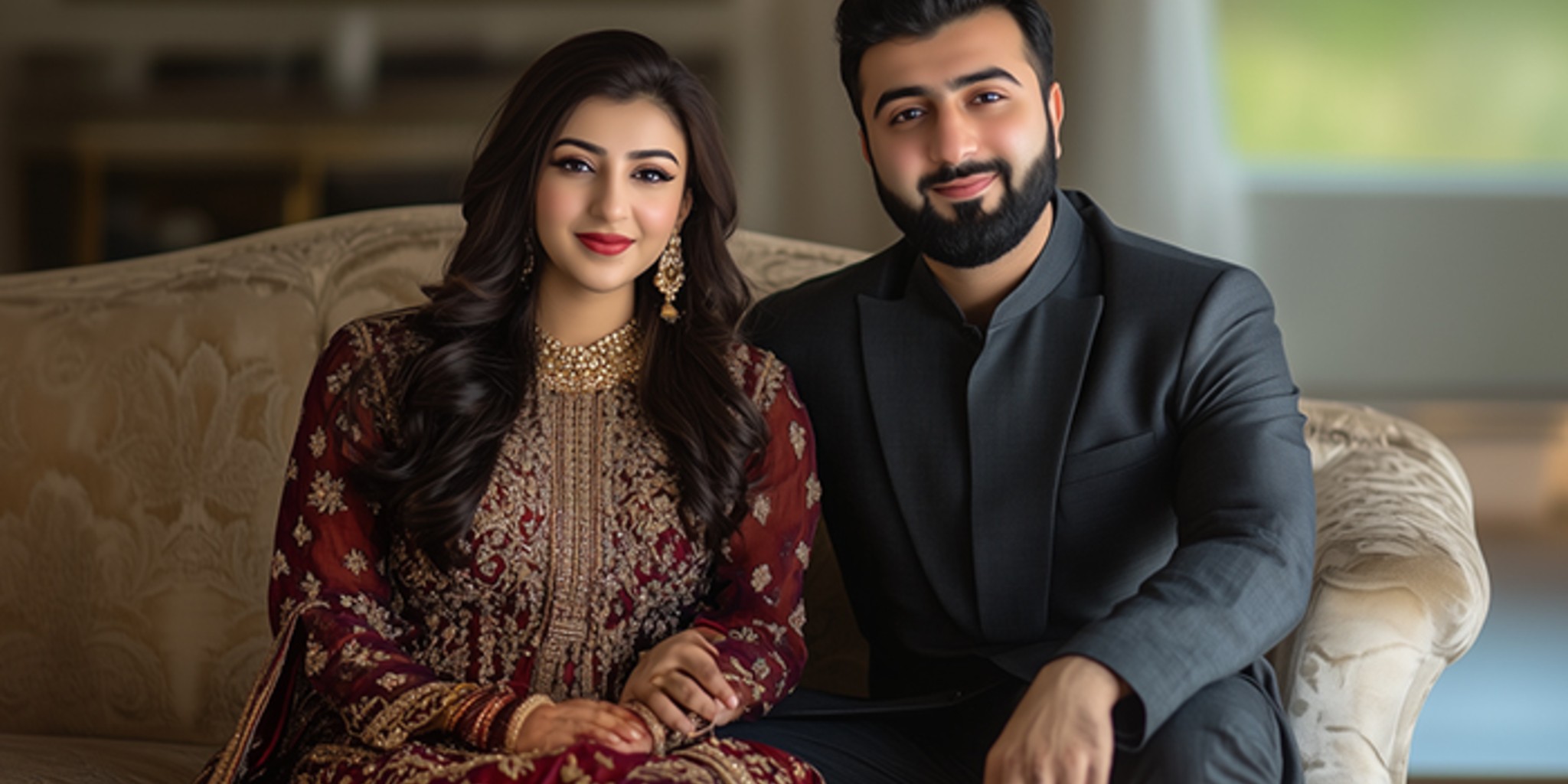
Hypogamy is a social concept that refers to a woman marrying a man of lower social, educational, or economic status than herself. Traditionally, hypergamy, where a woman marries a man of higher status, has been more common across societies. However, in a developing country like Pakistan, a noticeable shift is taking place, with hypogamy becoming increasingly prevalent. Let’s take a closer look at the factors contributing to this trend.
In Pakistani society, family influence plays a significant role in marriage decisions. Cultural values such as preserving family honor, prioritizing close kinship ties, and the pressure to marry early often lead women to accept proposals where the man may be less educated or financially stable. Phrases like “it’s a good family, it's from God” are frequently used to convince women to compromise on compatibility.
Another major factor is the pressure related to age. As women grow older, especially beyond the age of 25, societal expectations intensify. They are often unfairly labeled as “too old” for marriage, which can push them into accepting matches that do not align with their educational background or personal standards, simply to meet societal timelines.
At the same time, there has been a significant rise in the number of educated women in Pakistan. However, the rate of educational advancement among men has not kept pace. This imbalance creates a situation where highly educated women may struggle to find equally qualified partners, leading them to consider men who may not match their academic or intellectual level.
Economic independence has also reshaped women’s perspectives on marriage. Many women today are financially stable and confident, which allows them to prioritize emotional compatibility, respect, and personal happiness over a man’s income or status. In such cases, women may willingly choose partners who are less educated or earn less but possess qualities like kindness, loyalty, and emotional understanding.
Additionally, changing social dynamics have reduced the importance of class differences in some relationships. Love marriages or friendships that develop into marriage often overlook social or economic disparities. Modern couples tend to value mental and emotional compatibility more than traditional status markers, which can result in hypogamous unions.
In some cases, the lack of suitable proposals also contributes to this trend. In certain families or regions, highly educated or independent women may face difficulties in finding compatible matches due to societal expectations or stereotypes. As a result, they may accept less compatible proposals to avoid social pressure or loneliness.
Overall, hypogamy in Pakistan is emerging as a complex social phenomenon influenced by cultural expectations, educational disparities, women’s empowerment, and shifting values. For women seeking a balanced and compatible match while maintaining independence and safety, platforms like Dil Ka Rishta offer a modern solution. The app provides a secure environment where women can connect with suitable partners based on compatibility, values, and mutual respect rather than just societal pressure or traditional norms.